Views: 0 Author: Site Editor Publish Time: 2026-02-02 Origin: Site


Few things kill productivity on a job site faster than equipment failure. You have the crew ready, the materials prepped, and the deadline looming, but when you pull the control lever on your aerial work platform, nothing happens. The motor might hum, or there might be dead silence, but the platform remains stubbornly planted on the concrete.
Equipment downtime costs businesses significant money every hour a machine sits idle. However, before you call in an expensive service technician or arrange for a rental replacement, you should know that many lifting issues are caused by minor, easily rectifiable problems. Modern equipment is designed with numerous safety interlocks and sensors; often, the machine isn't broken—it is simply refusing to operate because a specific condition hasn't been met.
This guide explores the most common reasons why a scissor lift or boom lift fails to elevate. From simple electrical oversights to hydraulic pressure issues, we will walk you through a systematic troubleshooting process to get your lift platform back in the air and your team back to work.
It sounds overly simple, but the vast majority of "broken" lifts are actually just power issues or safety switches that have been tripped. Before opening the hood or checking hydraulic fluid, run through this basic checklist.
Every aerial work platform is equipped with at least two Emergency Stop buttons: one at the base controls and one on the platform console. If either of these red buttons is pushed in, the machine will not function. It is common for these to be bumped accidentally by a knee or a tool belt. Ensure both buttons are pulled out or twisted to the "on" position.
For electric scissor lifts, the battery is the most common culprit. Even if the gauge reads full, the batteries might not be delivering enough amperage to drive the hydraulic pump motor.
Check the voltage: Use a multimeter to ensure the battery pack is delivering the correct voltage (usually 24V or 48V).
Inspect connections: Corroded or loose battery terminals can prevent current flow. Clean any corrosion and tighten the wing nuts.
Charger interlock: Most modern lifts have a safety feature that prevents operation while the machine is plugged into a wall outlet. Ensure the charger cord is unplugged and stowed away.
1
Most units have a selector key switch at the ground control station. This switch usually has three positions: Off, Ground Control, and Platform Control. If the key is left in the "Ground" position, the controls in the basket will be dead. Conversely, if you are trying to test it from the ground but the key is set to "Platform," it won't respond.

If your electrical system is functioning—meaning the motor turns on but the platform doesn't rise—the issue likely lies within the hydraulic system. The hydraulic pump pushes fluid into a cylinder to extend the lift; if that fluid can't move or lacks pressure, the lift platform stays down.
If the fluid level in the reservoir is too low, the pump will suck in air instead of oil. Air is compressible, unlike fluid, so the cylinder won't have the force to lift the structure. Check the sight gauge or dipstick on the hydraulic tank. If it’s low, refill it with the manufacturer-recommended hydraulic oil.
The hydraulic relief valve is a safety component designed to return fluid to the tank if the pressure gets too high (like trying to lift a load heavier than the machine's capacity). If this valve is stuck open due to debris, the fluid will constantly cycle back to the tank rather than pushing the piston. This results in the motor running, but no movement occurring.
Temperature plays a massive role in hydraulic performance. In freezing conditions, hydraulic oil thickens (increases viscosity). If the oil is too thick, the pump may struggle to push it through the lines and filters, causing the lift to operate sluggishly or not at all. If you are working in a cold storage facility or outdoors in winter, ensure you are using a hydraulic fluid rated for low temperatures.
Modern machinery, such as the equipment manufactured by Niuli Machinery, is built with intelligent safety systems. These sensors prevent the operator from putting the machine into a dangerous situation. If the machine won't lift, it might be saving you from a tip-over.
Aerial work platforms are generally designed to lift only on level ground. If the machine detects that it is on a slope exceeding its safety rating (usually 2 to 5 degrees), it will disable the lift function. Move the machine to a flat, level concrete surface and try again.
On many scissor lifts, there are metal bars (pothole guards) at the bottom of the chassis that lower when the platform rises. If these guards are jammed with debris or cannot fully deploy, a limit switch will prevent the platform from going up. Inspect the underside of the chassis and clear out any rocks, wood scraps, or mud.
If the weight of the operators, tools, and materials in the basket exceeds the rated capacity (SWL - Safe Working Load), the machine will refuse to lift. This is often accompanied by an alarm or a flashing light. Remove heavy items and attempt to lift again.
Use this quick reference table to diagnose the behavior of your lift platform.
Symptom | Possible Cause | Potential Solution |
|---|---|---|
No power, no lights, no sound | E-Stop engaged or dead battery | Pull out E-Stops; check battery voltage; check master disconnect switch. |
Motor runs, but lift doesn't move | Low hydraulic fluid or open manual lowering valve | Check fluid levels; ensure the emergency lowering valve is fully closed. |
Lift rises very slowly | Weak batteries or cold hydraulic fluid | Charge batteries fully; allow machine to warm up or change fluid viscosity. |
Platform stops partway up | Hydraulic leak or snagged hose | Inspect hoses for leaks; check for obstructions in the scissor stack. |
Alarm sounds when attempting to lift | Tilt sensor or overload sensor active | Move to level ground; reduce weight in the platform. |
Machine drives but won't lift | Pothole protection fault | Clear debris from the pothole guard mechanism. |
While regular maintenance prevents most issues, the quality of the manufacturing plays a significant role in reliability. Cheaper, poorly constructed lifts often suffer from electrical gremlins and leaking seals earlier in their lifecycle.
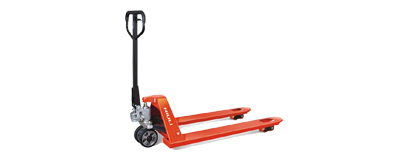
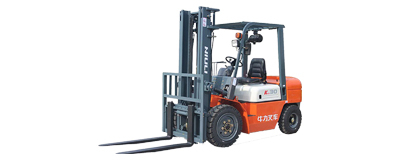
Companies like Niuli Machinery focus on robust engineering for their material handling equipment. Whether it is a Hand Pallet Truck, Forklift, or a complex Aerial Work Platform, choosing equipment with high-quality hydraulic pumps and reliable electronics reduces the frequency of these downtime events. Niuli’s focus on durability ensures that when you pull the control lever, the machine responds.


If you have checked the batteries, fluids, and safety switches and the machine still fails to operate, it is time to call a qualified technician.
Do not attempt to adjust hydraulic pressure settings or bypass electrical safety circuits yourself. Aerial lifts are heavy, powerful machines that support human life at heights. Improper repairs can lead to catastrophic failures. If you suspect a structural issue, a burnt-out pump motor, or a complex wiring fault, contact your dealer or a certified repair center.
A refusal to lift is rarely a mysterious, unfixable problem. It is usually a signal—either that the machine needs power, fluid, or a safer environment to operate in. By systematically checking the basics, investigating the hydraulics, and understanding the safety sensors, you can diagnose 90% of lift failures on-site.
Regular maintenance checks before every shift are the best defense against downtime. Ensure your operators know how to check the hydraulic levels and battery connections daily. When you treat your equipment with care and invest in reliable machinery from trusted manufacturers like Niuli, you ensure that your projects stay on schedule and your team stays safe.